Why Dream Small When You Can Publish Big? We Are With You All The Way! Email us at [email protected] Montlake Publishers |
WhatsApp
The Child Experiences The Story. The Adult Often Chooses The Book.

Create A Children’s Book That Works For Both

Young readers respond to rhythm, characters, visual movement, repetition, emotion, and page turns. Parents, teachers, librarians, and gift buyers also consider age suitability, purpose, clarity, production quality, and presentation. Our children’s book publishing services coordinate these expectations across the manuscript, illustrations, page design, formats, metadata, and release plan.

Live Chat

Discover Books Created For Young Readers And Adult Buyers

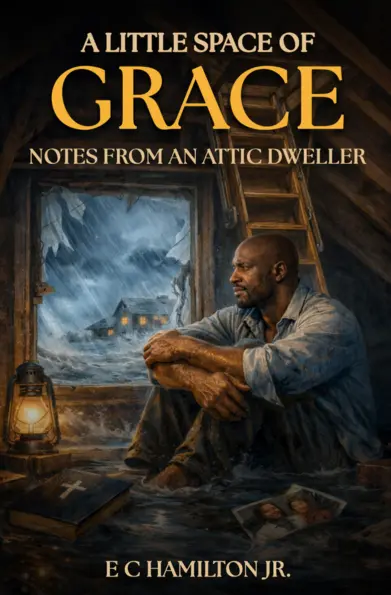
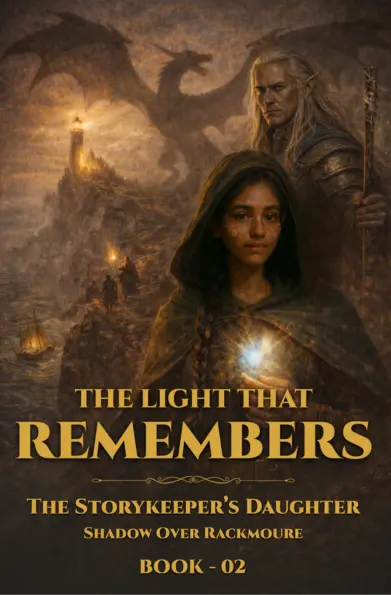
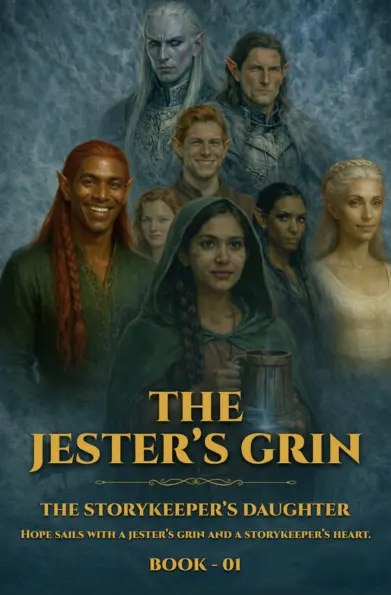
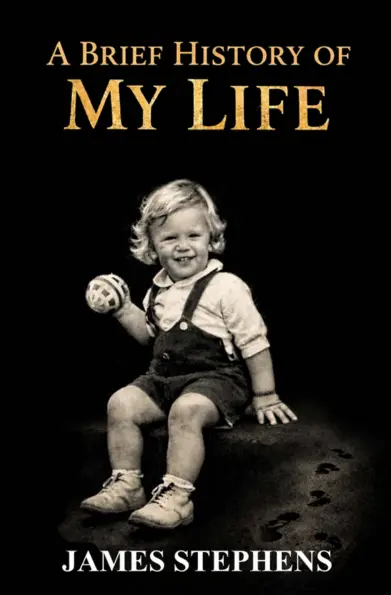
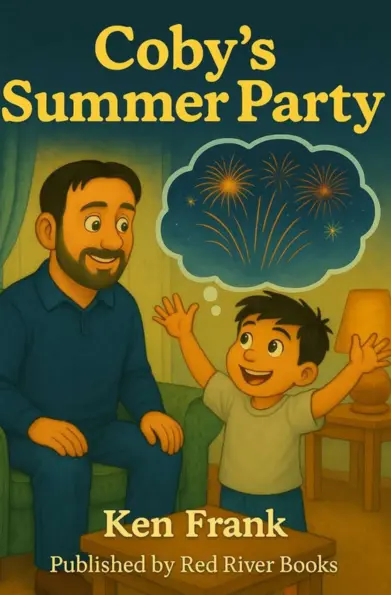
Browse children’s titles developed with the child’s reading experience and the adult buyer’s expectations in mind. Our children’s book publishing services coordinate age suitability, visual storytelling, page structure, production quality, and listing information so each edition communicates clearly to readers, parents, teachers, and librarians.

Choose The Children’s Book Format That Fits Your Reader

01

Board Book Concepts

Created for babies and toddlers, board-book concepts typically use simple language, repetition, strong visual contrast, and familiar subjects. Specialist manufacturing may be required for true board pages, so format and printing options should be confirmed early.

02

Picture Books

Picture books combine concise text with sequential visual storytelling. Our picture book publishing services help coordinate reading age, illustration planning, page turns, text placement, trim size, and production files into one connected reading experience.

03

Early Reader Books

Early readers support children developing independent reading skills. Clear typography, controlled vocabulary, short sections, supportive illustrations, and age-appropriate progression help make the story easier to follow without removing its personality.

04

Chapter And Middle-Grade Books

Chapter and middle-grade books usually contain more text and fewer illustrations. Publishing decisions should reflect vocabulary, chapter length, pacing, character development, subject matter, and the expectations of the intended age group.

Move From Manuscript To Approved Children’s Editions

Review The Manuscript First

We assess reading age, story structure, language, pacing, word count, emotional tone, and illustration opportunities before recommending the next publishing stage.

Coordinate Text And Artwork

Illustrations, characters, page turns, text areas, and visual pacing are planned around the approved manuscript rather than treated as disconnected finishing elements.

Build The Final Book Files

Approved text and artwork move into layout, typography, cover preparation, front and back matter, and format-specific file development.

Set Up Publication Clearly

Metadata, ISBN guidance, reading-age settings, categories, pricing, uploads, previews, proofing, and listing checks are coordinated according to the project scope.

Review Every Stage Before Your Book Goes Live

Your feedback should guide the project at clearly defined milestones. Review the manuscript, character concepts, sketches, page plan, final artwork, layout, cover, and publishing files before each approved stage moves forward.

What Should The Best Children’s Publishing Support Provide?

The best children’s book self publishing services should connect reader age, manuscript readiness, illustration planning, page design, formats, metadata, approvals, and author control within one transparent workflow, with every deliverable and decision explained clearly up front.

A Scope Matched To The Actual Book

Recommendations should reflect the reading age, book type, manuscript condition, illustration scope, page count, formats, budget and publishing goals. A picture book, early reader, chapter book, and educational title each require an individual service plan and practical workflow.

Realistic Expectations At Every Stage

A reliable provider should explain each deliverable, responsibility, revision stage, cost factor, timeline dependency, proofing, and distribution limit before work begins. Clear expectations protect authors from vague promises about sales, rankings, reach, or bookstore placement.

Clear Ownership And Handover

The written agreement should clearly identify who controls the manuscript, illustrations, publishing account, ISBN, imprint, royalties, source files, metadata edits, final assets, and future editions. A defined handover protects the author’s access, rights, and long-term control.

Commitment to Customer Satisfaction

As children's book publishers, we are committed to providing exceptional service and support to our clients. From the first consultation to the finished product, we ensure that every client achieves total satisfaction and success throughout the entire process.

Children’s Book Publishing Questions To Answer Before You Commit

Choosing the best children’s book self publishing services requires more than comparing colourful portfolios or oversized packages. These answers explain manuscript readiness, illustrations, picture-book planning, costs, timelines, formats, ISBNs, reading ages, author rights, and realistic distribution expectations.

What do children’s book publishing services include?

Professional children’s book publishing services may include manuscript assessment, editing, illustration coordination, page planning, interior layout, cover preparation, print and digital files, ISBN guidance, metadata, platform setup, preview checks, proof-copy coordination, and published-listing review. The exact scope should identify every format, creative stage, revision round, approval milestone, file, account, right, third-party expense, and service excluded from the quote. Writing, illustration, cover design, printing, marketing, and distribution should not be assumed merely because the provider describes its package as complete.

How do I know if my children’s manuscript is ready to publish?
+

A children’s manuscript may be ready when its intended reader, reading age, story structure, language, pacing, characters, purpose, and approximate length are clearly established. Major rewriting should be complete before final illustration, layout, and publishing files are produced. Authors planning to self publish a children’s book should also confirm whether the project needs developmental editing, copyediting, proofreading, illustration planning, or page mapping. Picture books require particular attention to page turns, visual opportunities, text distribution, and the relationship between the words and artwork.

How much does it cost to self publish a children’s book?
+

The cost depends on the manuscript’s condition, editing depth, illustration count, character and background complexity, page planning, cover design, interior layout, formats, ISBN choices, proof copies, platform setup, printing, and optional marketing. A fully illustrated picture book usually involves more creative and production stages than a text-led chapter book, but no universal price applies. Request an itemised proposal that separates required services, optional additions, third-party expenses, revision limits, and future costs. KDP itself allows authors to publish supported eBook, paperback, and hardcover formats without an upload fee, so provider charges should reflect the professional work performed.

How long does it take to publish a children’s book?
+

The complete timeline depends on manuscript readiness, editing, illustration development, sketch approvals, page layout, cover preparation, revisions, proofing, formats, and author response times. Illustration and approval stages often account for a substantial portion of a picture-book schedule. After final files are submitted, KDP states that most books or updates can take up to three business days to become live, although detail-page and marketplace timing can vary. This platform review period comes after the creative and production work, not instead of it. A reliable schedule should separate editing, artwork, approvals, file preparation, proofing, submission, and publication.

Do I need an illustrator to publish a children’s book?
+

Not every children’s book needs extensive illustration. Picture books and board books usually depend on artwork, while chapter books or middle-grade titles may use only spot illustrations, maps, or no art at all. The decision should reflect the reading age, genre, format, and budget. Confirm the illustration count, style, revision rounds, usage rights, and delivery files before work begins, and plan illustrations alongside the manuscript rather than after the layout is finished.

How many pages and illustrations should a picture book have?
+

There is no single fixed count. The right number depends on manuscript length, trim size, pacing, and whether the art uses spots, full pages, or double-page spreads. Create a page plan before locking the artwork count so you can decide how text is divided, where page turns occur, and which moments need visual emphasis. Illustrations should add emotion, humour, action, or information rather than merely repeating the text.

Can I publish a children’s book as an eBook, paperback, and hardcover?
+

Yes. KDP supports Kindle eBooks, paperbacks, and case-laminate hardcovers, though each format requires different files, settings, and specifications. Picture-book eBooks may need fixed-layout formatting. Paperbacks and hardcovers generally require separate ISBNs, while Kindle eBooks do not. KDP hardcovers use printed rigid covers rather than dust jackets. Confirm format compatibility before finalising trim size, cover dimensions, and interior files.

What reading age should I choose for my children’s book?
+

Choose the reading age based on vocabulary, themes, sentence complexity, visual complexity, and the intended child’s developmental stage. KDP category ranges include 0–2, 3–5, 6–8, and 9–12 for children, with 13–17 for Teen/Young Adult. Accurate age settings affect category eligibility and how the book is positioned for parents, teachers, librarians, and young readers.

Who owns my manuscript, illustrations, publishing account, ISBN, and royalties?
+

These items should be addressed in a written agreement before work begins. The contract should identify the copyright owner, rights holder, publishing-account owner, ISBN registrant, imprint, royalty recipient, authorised users, and source-file access. Under U.S. copyright law, copyright generally belongs to the creator unless a valid work-made-for-hire arrangement or rights transfer is in place. Paying an illustrator does not automatically grant every ownership or usage right.

Can a self-published children’s book reach bookstores and libraries?
+

A self-published children’s book can become available through Amazon and other ordering channels, but availability does not guarantee physical shelf placement, library acquisition, or sales. KDP Expanded Distribution can help eligible paperbacks become available for distributors, booksellers, and academic institutions to order. Hardcovers are not eligible for that programme, and enrolment does not guarantee distributor acceptance. The publishing proposal should identify wholesale terms, territories, returns, and realistic availability expectations.