Generic layouts make different authors feel interchangeable. We create custom author websites shaped around your genre, voice, book catalogue, audience, and professional goals. Every page is built to strengthen recognition, guide readers toward the books, support email growth, and give your brand a distinctive digital home that can evolve with future releases, media opportunities, and your career.
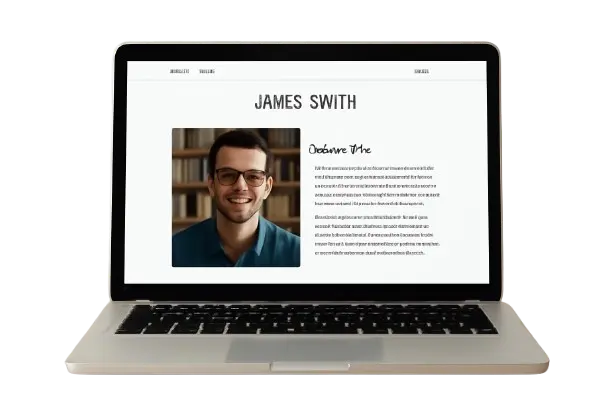
Books, series, retailer links, and signup paths are organised so visitors can explore your work without confusion.
Typography, colour, imagery, and layout are shaped around your genre, voice, audience, and author identity.
The structure can support future books, media, events, newsletters, resources, and new professional opportunities.
Tell us what your books, readers, and future releases need from your website. We will help shape a clearer author platform built for discovery, trust, email growth, and long-term visibility.

Explore selected author projects shaped around different genres, reader journeys, book catalogues, and professional goals. Each example should show the website strategy, features, and experience created for that author.


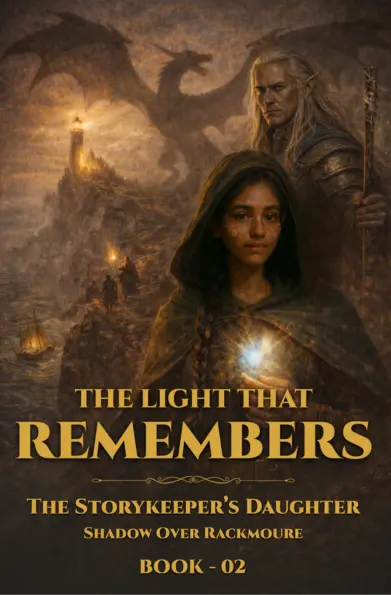
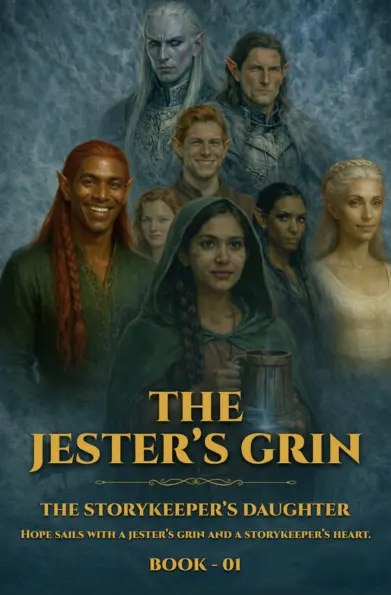

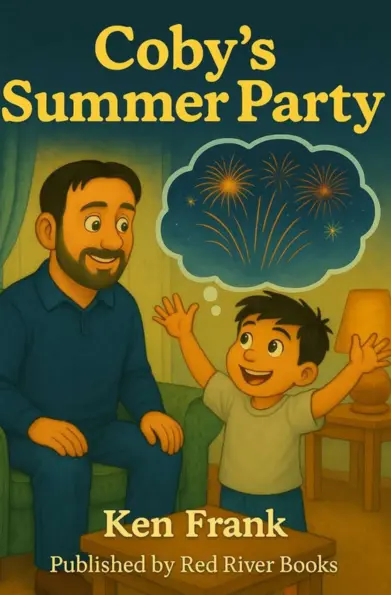






Every great website begins with clarity, your voice, your style, and your goals. We learn what makes you unique and design a digital space that feels authentic, immersive, and tailored to your narrative journey.

Visual design, biography, book presentation, and messaging work together so readers encounter one consistent author identity across every page and future release.

Your website can serve readers while also helping journalists, podcast hosts, schools, event organisers, and professional partners find accurate information and contact you.

Flexible page templates and content structures make it easier to add books, series, events, resources, and announcements as your catalogue and author career continue to develop.
Choosing author website design services involves more than selecting colours and page layouts. These answers cover the practical questions authors ask about website structure, book promotion, ownership, SEO, costs, direct sales, redesigns, and long-term management.
An author does not always need a complex website, but most authors benefit from having one reliable online destination they control. Amazon and other retailers help people purchase books, while social platforms help with short-term discovery and conversation. An author website can bring your biography, complete book catalogue, series order, retailer links, newsletter signup, media information, events, and contact options together under your own domain. The appropriate scope depends on your career stage, so a debut author may begin with a focused website while an established author may need a larger platform supporting several books, audiences, and professional opportunities.
A professional author website should include the information visitors need to understand the author, explore the books, and take a relevant next step. Most sites need a clear homepage, author biography, individual book or series pages, retailer purchase links, newsletter signup, and contact page. Depending on the author’s goals, the site may also need reviews, excerpts, events, a media kit, speaking information, school-visit details, reader resources, direct sales, or a blog. The right structure should be based on the audiences being served rather than adding every possible feature to make the website appear larger.
Choose a book website when the immediate goal is to focus attention on one title, launch, campaign, or reader action. Choose a full author website when you need to present several books, organise a series, build an email audience, support media or speaking work, and create a platform that can accommodate future releases. A debut author with one title may begin with a focused landing page and expand it later, while a multi-book author will usually benefit from a broader author-centred structure. The best decision depends on whether the primary asset is one book or the author’s long-term body of work.
The cost of author website design services depends on the project scope rather than one standard industry price. A simple website with a biography, one book page, retailer links, and contact form will normally require less work than a custom multi-book platform containing ecommerce, newsletter automation, media resources, speaking pages, content migration, or advanced integrations. Design customisation, page count, copywriting, SEO setup, revisions, hosting, maintenance, and third-party software may also affect the final quote. Authors should request an itemised proposal that separates one-time design and development costs from recurring expenses and clearly explains what is included, excluded, and owned after completion.
The timeline depends on the number of pages, content readiness, design complexity, integrations, migration requirements, and speed of feedback. A focused website can progress more quickly when the author already has approved copy, book covers, photographs, retailer links, biography, and brand direction. A custom author platform involving several books, ecommerce, newsletter integration, event features, media assets, or content migration will require more planning, design, testing, and revisions. A reliable timeline should be agreed only after the website scope, content responsibilities, approval stages, launch requirements, and any third-party dependencies have been confirmed.
Yes, when the project includes a manageable content system, administrator access, and training where needed. Authors should be able to add books, update retailer links, publish events, revise biography text, and manage newsletter signup forms without waiting for a developer for every change. Technical changes, complex redesigns, hosting maintenance, backups, security updates, and advanced integrations may still require developer support. The handover should clarify which updates the author can complete independently and which tasks remain part of ongoing maintenance.
Foundational SEO is often included in author website design services, covering structured page titles, meta descriptions, logical headings, readable URLs, internal links, image alt text, mobile usability, crawlable content, XML sitemaps, and Search Console setup where agreed. Ongoing SEO, including keyword research, content production, and link acquisition, is usually a separate service. Google does not require special markup for AI Overviews or AI Mode beyond clear, crawlable page content and sound technical foundations.
Yes, if ecommerce functionality is included in the project scope. Direct sales typically require product pages, payment processing, inventory or shipping coordination, tax settings, and a plan for customer support. Many authors prefer retailer links for broad distribution while using a hybrid approach, selling signed copies or special editions directly and linking to Amazon or other retailers for standard editions. The right model depends on fulfilment capacity, pricing, and the author’s commercial goals.
Yes. An existing author website can often be redesigned without discarding valuable assets. The process usually begins with an audit of current content, URLs, search visibility, analytics, and backlinks. Valuable material can be retained, rewritten, or migrated while navigation, visual identity, page structure, and mobile experience are improved. SEO preservation and redirects should be planned carefully so readers and search engines can find the updated site.
The author should have documented control or agreed access to all business-critical assets. That typically includes the domain registrar and hosting accounts, the content management system and administrator logins, analytics and Google Search Console, email marketing and ecommerce platforms, plus written content, licensed images, and final website files. Agreements should clarify who creates and pays for these accounts so future maintenance or migration remains straightforward.


5900 Balcones Dr, Austin, TX 78731, USA