We study genre signals and reader expectations so the cover feels relevant to its category without becoming an imitation of competing titles.
Typography, contrast, hierarchy, and imagery are tested for the small retailer views where many readers first encounter a book.
The creative direction considers whether the book requires an eBook image, paperback wrap, hardcover case, dust jacket, or several coordinated files.
Every visual decision communicates something before the first page is opened. Typography may suggest authority, intimacy, suspense, or wonder. Colour and imagery can clarify the genre or send the wrong signal completely. We bring those elements together through strategic custom book cover design, helping the intended reader recognise the promise, trust the presentation, and become curious enough to continue.
Share your genre, reader, tone, and publishing format. We will help shape a custom book cover design that communicates the right promise before anyone reaches page one.
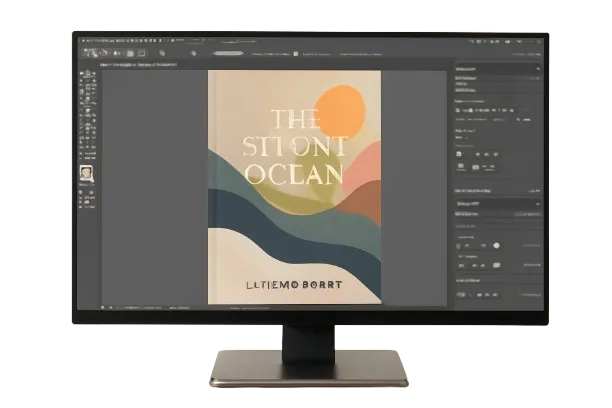
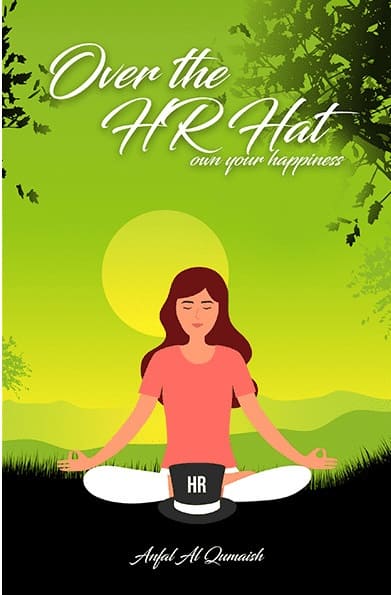
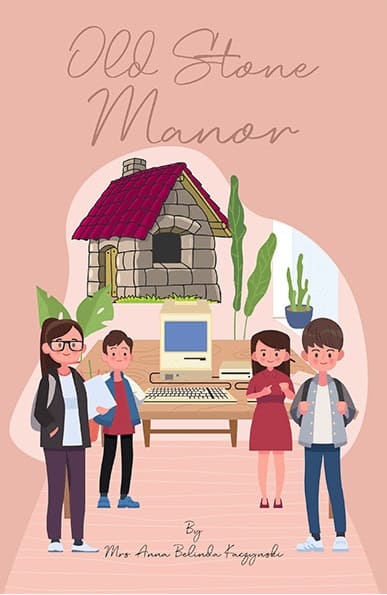
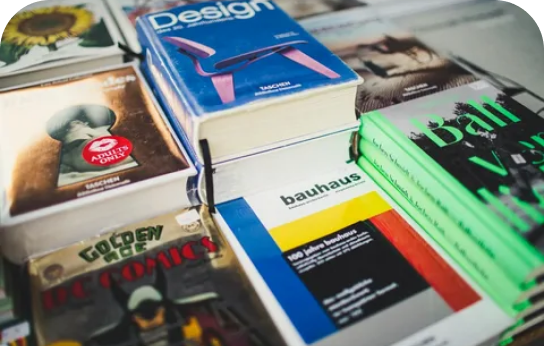
Explore selected cover concepts shaped around different genres, audiences, tones, and publishing formats. Each design turns the book’s central promise into a visual identity readers can recognise before opening page one.
Your story should not inherit another book’s visual identity. We begin by identifying the themes, emotions, contrasts, and reader expectations that make the manuscript distinctive.
A memorable cover does not need every symbol, character, or idea from the book. We select the strongest visual message and give it space to communicate clearly.
Typography, imagery, colour, texture, and spacing are refined until every element supports the genre, strengthens the hierarchy, and contributes to one coherent impression.
The finished cover becomes a visual foundation for eBook listings, print editions, promotional graphics, future releases, and consistent series branding where required.
Choosing the best book cover design services means evaluating creative quality, genre understanding, technical preparation, revisions, licensing, and the exact files included in the project.
Professional services should include a creative brief, genre research, concept development, typography, imagery, author feedback, revisions, and final files for the agreed formats. The proposal should also state how many concepts are included, whether image licences and source files are provided, and whether the designer will prepare eBook, paperback, hardcover, or promotional adaptations.
Pricing depends on the designer’s experience, genre, concept complexity, illustration requirements, formats, revisions, and source files. A 2024 analysis of more than 2,000 projects found an average price of approximately $880, with most projects ranging from $425 to $1,250. The actual price should be confirmed through a project-specific quote.
A custom book cover design starts with the manuscript, genre, intended reader, tone, comparable titles, and publishing formats. The designer turns that information into a focused visual concept, presents it for review, refines it through the agreed revision stages, and then adapts the approved design for the digital and print formats included in the project.
Review genre-relevant work, typography, thumbnail readability, print-production experience, communication, image licensing, revisions, and final deliverables. Experienced book cover designers should explain who will design the cover, how the concept will be developed, which files are included, and whether the project covers both creative design and technical production.
An eBook cover is usually a front-facing digital image, while a print cover includes the back cover, spine, and front cover as one complete wrap. KDP recommends an ideal eBook image size of 2,560 by 1,600 pixels. Paperback covers must be submitted as a single PDF sized to the book’s final specifications.
An Amazon KDP book cover design generally requires the title, author name, format, trim size, paper type, interior type, final page count, back-cover copy, and barcode decision. KDP uses these production details to calculate the exact cover dimensions and generate the correct print template.
The front-cover concept can usually begin before formatting is finished, but the final print wrap requires the completed interior and confirmed page count. Page count, trim size, paper, and binding affect spine width and overall dimensions, so the final paperback or hardcover file should be prepared after those details are fixed.
Yes. A redesign may help when the current cover communicates the wrong genre, looks outdated, has weak typography, performs poorly at thumbnail size, or no longer meets print specifications. Before reusing existing elements, confirm that you have the necessary rights to the artwork, stock images, fonts, and editable design files.
A children’s book cover design must appeal to the intended child while also informing the parent, educator, librarian, or gift buyer. The reading age, character style, typography, emotional tone, and interior illustrations should feel consistent. Picture books, early readers, and middle-grade titles each require different visual signals and levels of complexity.
Ownership depends on the written contract and the rights attached to the artwork, fonts, photographs, and illustrations. The agreement should explain whether the final design is transferred or licensed, whether editable source files are included, and whether the cover can also be used for advertising, audiobooks, merchandise, foreign editions, or future adaptations.