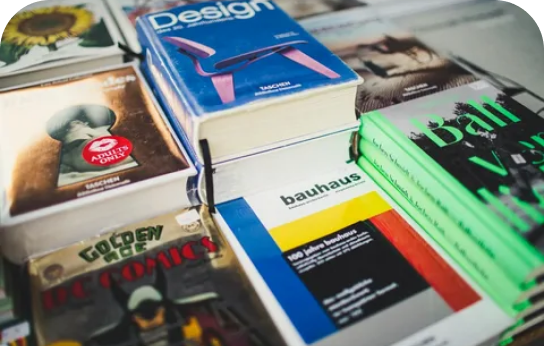
The same manuscript can feel completely different depending on its dimensions, paper, ink, binding, cover stock, and finish. Our book printing services help you evaluate those decisions together, so the physical edition suits the book’s content, intended reader, use, quantity, and budget rather than relying on a generic printing configuration.
Your trim size, page count, paper, interior colour, binding, and cover finish are considered together so the finished edition suits its content, audience, budget, and intended use.
Choose single book printing for a physical proof or short run book printing for launches, signings, classrooms, review copies, limited editions, and direct orders.
Our book printing services can support novels, memoirs, poetry, children’s books, workbooks, business guides, and illustrated titles with format-specific production choices.
From paper and binding to trim size and cover finish, every choice affects the reader’s experience. Start planning a printed edition that fits your content, audience, and budget.
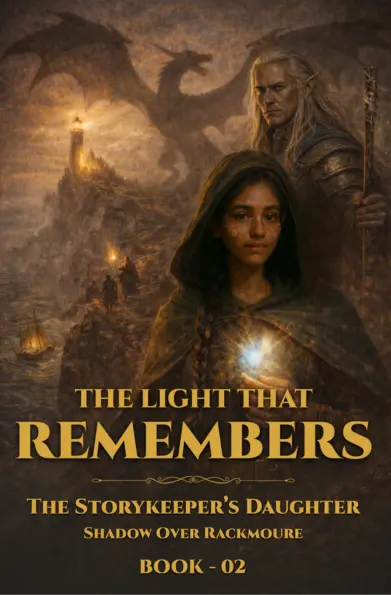
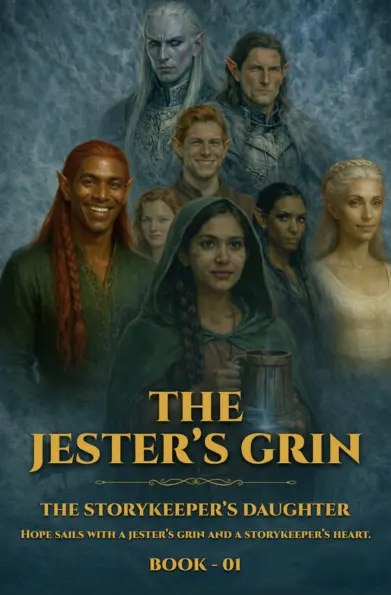
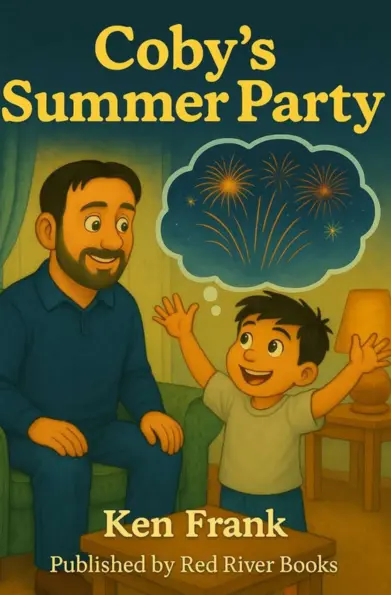
A credible portfolio should identify the trim size, page count, paper, interior colour, binding, cover finish, quantity, and exact production role behind every displayed book.
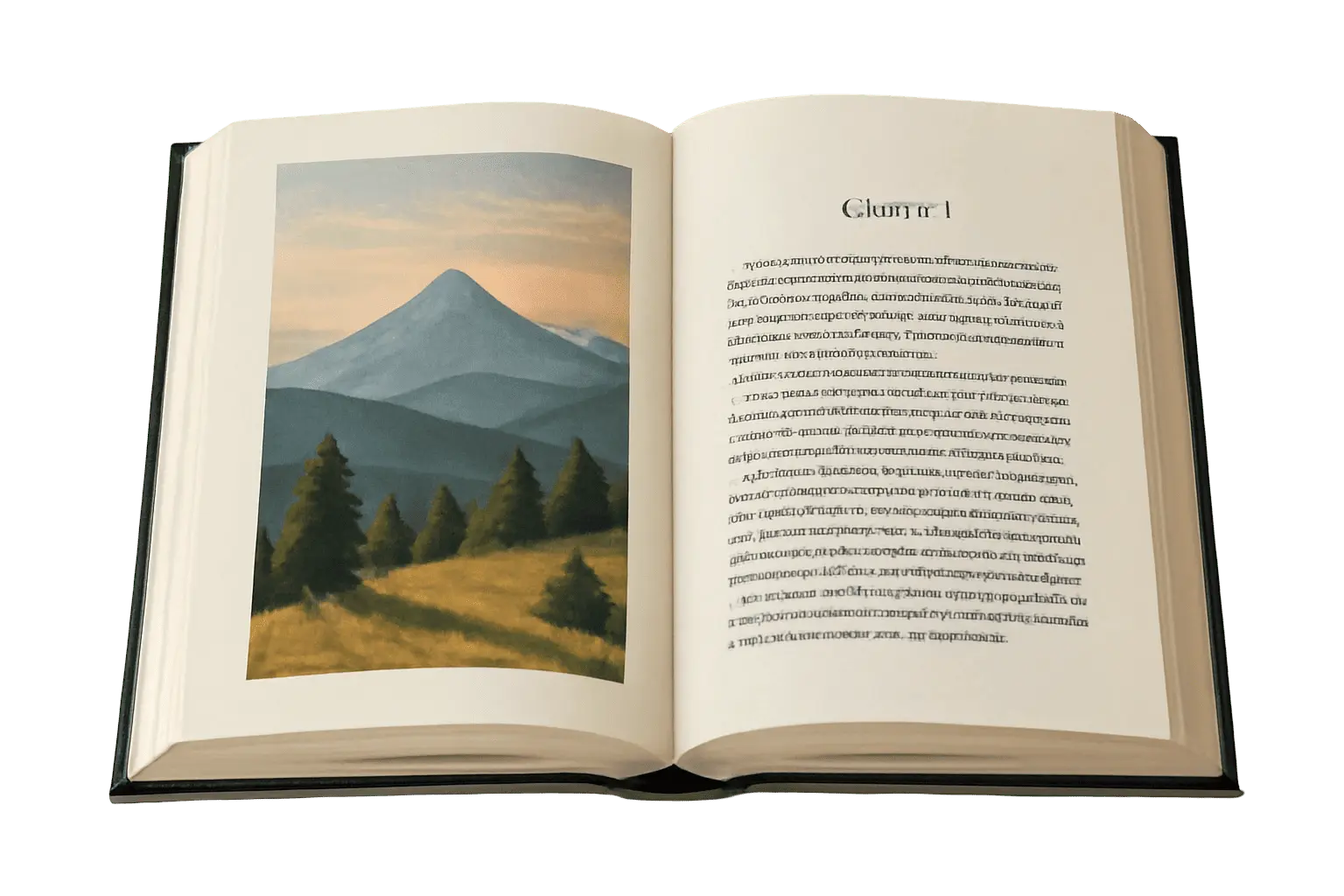
Use single book printing to inspect the trim, margins, spine, paper, colour, binding, and cover finish before approving a short run or larger order.
Choose a flexible paperback or a more substantial hardcover based on your book type, intended reader, quantity, budget, and desired presentation.
Our short run book printing support suits launches, events, signed copies, classrooms, review campaigns, presales, and limited editions.
Larger orders may reduce the unit cost but require greater investment, storage, packaging, and fulfilment planning. Confirm demand before scaling production.
Choosing premium custom book printing services involves more than comparing a price per copy. Authors should understand quantities, proofing, files, formats, materials, production costs, delivery factors, and what the printer will provide before approving an order.
Premium custom book printing services may include print-specification planning, file review, paperback or hardcover production, black-and-white or colour interiors, paper selection, binding, cover finish, proof copies, packaging, and shipping coordination. The final quote should state the quantity, dimensions, materials, proofing process, production method, delivery charges, exclusions, and replacement terms. Never assume editing, formatting, cover design, distribution, or fulfilment is included unless it appears in the written scope.
Yes, single book printing can be used for a physical proof, personal copy, presentation sample, gift, or evaluation copy. Reviewing one printed book allows you to inspect the trimming, margins, binding, paper, spine, image brightness, and cover finish before ordering more. Some printers treat a proof as a separate service, so confirm its price, shipping, and whether revised files can be submitted afterward.
Short run book printing means producing a limited, pre-planned quantity rather than committing to a large inventory. It can suit launches, signings, classrooms, presales, review copies, client resources, and limited editions. There is no universal quantity that defines a short run because printer capabilities and project economics differ. Choose the quantity according to confirmed demand, storage, budget, deadline, specifications, and intended use.
A short run produces a batch of books together so the author has inventory ready for events, direct orders, or other planned uses. Print on demand produces copies after an order is placed, reducing the need to purchase and store inventory in advance. Print on demand can produce one or multiple copies per order, but it should not be confused with guaranteed retail distribution or bookstore placement.
Yes, ordering a physical proof is strongly recommended before approving a larger quantity. A digital proof can help check text, layout, and placement, but a physical copy reveals paper feel, colour and brightness, trimming, binding, spine alignment, and other production details that a monitor cannot fully reproduce. Complete editorial corrections before production because changes made after proof approval may add cost and delay the order.
Book printing cost depends on quantity, page count, trim size, paper, interior ink, paperback or hardcover format, binding, proofing, packaging, shipping, and production method. Colour interiors and hardcovers generally cost more to manufacture than black-and-white paperbacks, while higher quantities may reduce the unit price but increase the total investment. Request an itemised quote based on confirmed specifications rather than relying on a generic per-book estimate.
Most professional print projects require a final interior file and a separate full-cover file containing the front, spine, and back. Files must match the chosen trim size, page count, margins, gutter, bleed, paper, binding, and spine width. Images and fonts should be properly embedded, and books containing bleed normally require PDF files. Editing, proofreading, interior formatting, and cover design should be completed before the files enter production.
Neither format is universally better. Paperback printing is often lighter and more economical for novels, memoirs, poetry, guides, and general nonfiction. Hardcover printing may suit illustrated books, children’s titles, commemorative editions, gifts, and premium releases requiring a more substantial presentation. Compare the intended reader, page count, quantity, handling, budget, shipping weight, available trim sizes, and production cost before choosing.
The timeline depends on file readiness, specification approval, proofing, corrections, quantity, binding, materials, printer capacity, packaging, and delivery location. Production time and shipping time should be quoted separately. Authors printing for a launch or event should allow additional time to receive and review a proof, submit corrections, approve replacement files, and accommodate possible shipping delays.
Compare a book printing company by examining physical samples, available formats, paper and binding options, file requirements, proofing, quote transparency, production location, quality checks, packaging, shipping, damage policies, and reprint terms. Ask whether the provider prints directly or uses third-party facilities and whether the quoted materials match your project. The cheapest quote is not a fair comparison when specifications, proofing, delivery, or replacement protection differ.