Why Dream Small When You Can Publish Big? We Are With You All The Way! Email us at [email protected] Montlake Publishers |
WhatsApp
The Draft Is Complete. The Decisions Are Not.

See The Manuscript As A Reader Will

After months inside a story, it becomes difficult to notice where the plot slows, an argument repeats, a character’s motivation weakens, or familiar sentences lose clarity. Our manuscript editing services bring an informed outside perspective to structure, language, consistency, and reader experience, helping you focus revision where it can make the greatest difference while keeping the manuscript recognisably yours.

Live Chat
Book Editing

Book Editing That Goes Beyond Grammar

Structure Before Sentences

Plot, pacing, chapter order, argument, character development, and narrative logic should be resolved before polishing passages that may later need to be rewritten or removed.

Clarity Without Losing Voice

Thoughtful editing improves flow, rhythm, tone, dialogue, word choice, and readability without making the manuscript sound as though somebody else wrote it.

Accuracy At The Right Stage

Grammar, punctuation, spelling, continuity, and final proof errors receive focused attention when the manuscript is stable enough for detailed correction.

Your Manuscript May Not Need Every Type Of Edit

Share your genre, word count, previous revisions, and the areas that concern you most. We will help clarify whether the draft needs structural development, sentence-level editing, technical correction, final proofreading, or a planned sequence of editorial stages.

Live Chat
Book Editing

See What Thoughtful Editing Changes Beneath The Surface

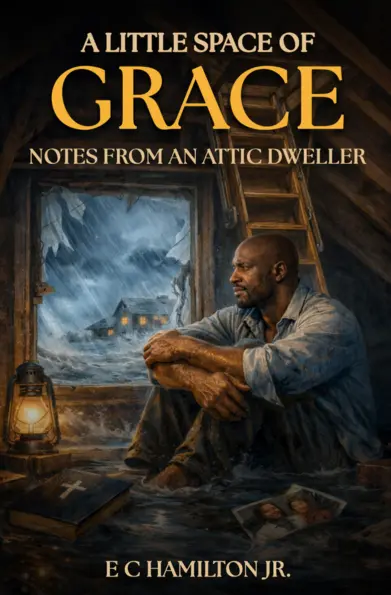
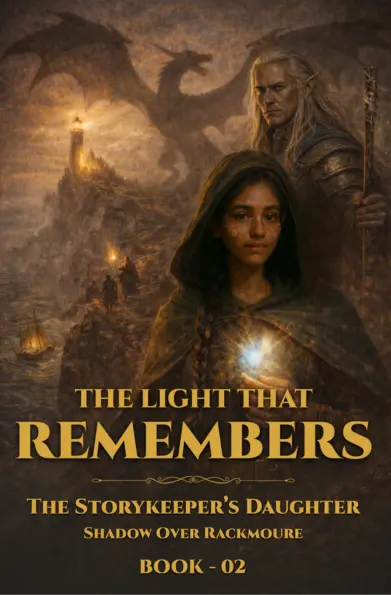
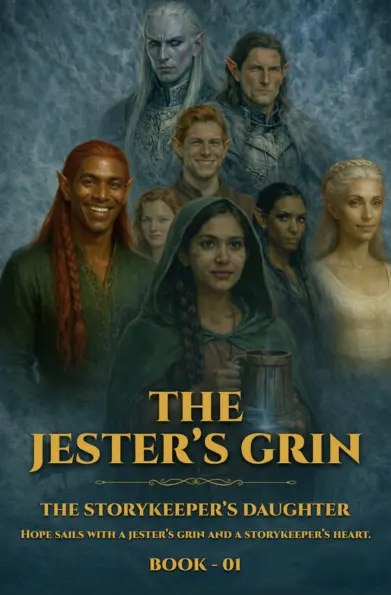
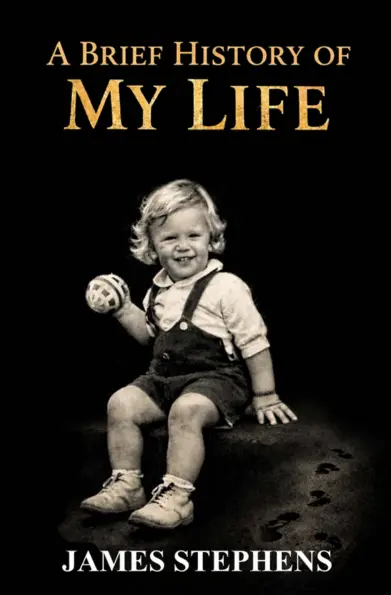
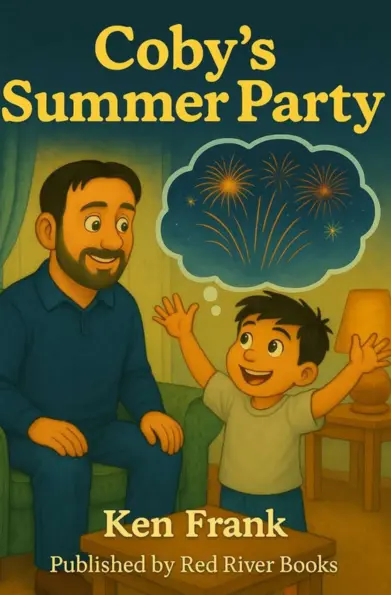
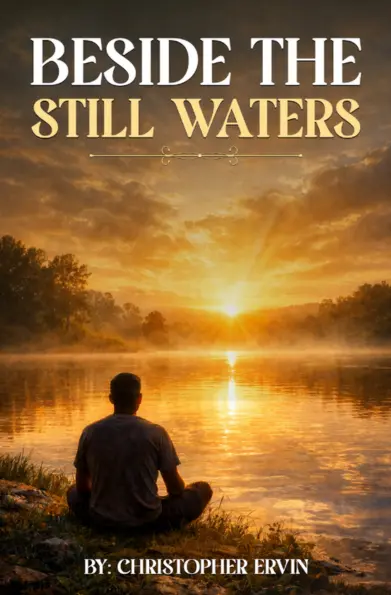
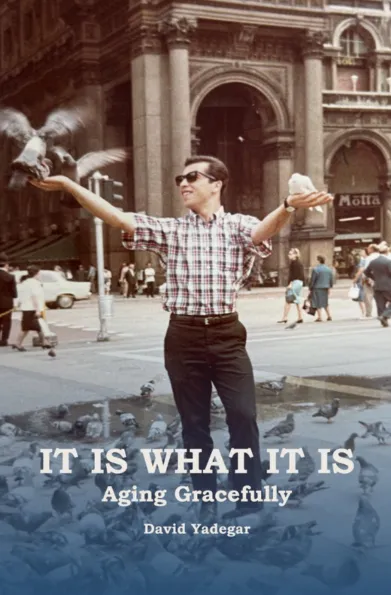
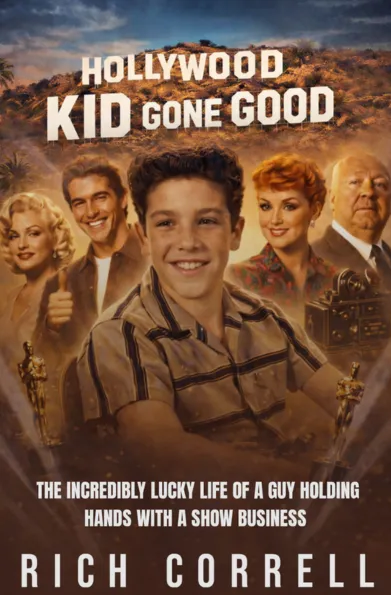
A book cover alone cannot demonstrate the quality of an edit. Explore selected projects through the original manuscript challenge, editorial service provided, author revision process, and approved outcome. Every example should reveal how editorial judgment strengthened the reading experience without replacing the author’s intention.

  • Book Cover 1
  • Book Cover 2
  • Book Cover 3
  • Book Cover 4
  • Book Cover 5
  • Book Cover 6
  • Book Cover 7
  • Book Cover 8
  • Book Cover 9
  • Book Cover 10
  • Book Cover 11
Understand What The Manuscript Needs

Understand What The Manuscript Needs

We begin with the genre, intended reader, word count, draft stage, previous revisions, and problems you already recognise. This context helps determine whether the best next step is an editorial assessment, developmental edit, sentence-level edit, or final proof.

Strengthen Story And Structure

Strengthen Story And Structure

Our developmental editing services examine the manuscript’s foundations. Fiction may require work on plot, pacing, character arcs, conflict, scenes, and point of view. Nonfiction may need stronger organisation, argument, chapter purpose, evidence, and reader progression.

Refine Language And Consistency

Refine Language And Consistency

Once the larger structure is stable, line and copyediting can improve flow, clarity, tone, dialogue, grammar, punctuation, usage, continuity, and consistency. Suggested changes should be visible, explained where necessary, and open to author review.

Check The Final Reading Experience

Check The Final Reading Experience

Our book proofreading services focus on remaining typographical, punctuation, spacing, consistency, and layout errors after the main editing and formatting stages are complete. Proofreading protects the final text rather than attempting to rebuild it.

Book Editing Questions Authors Ask Before Committing

These answers cover editing levels, developmental work, line editing, copyediting, proofreading, cost, timelines, voice, AI tools, and what happens after the edited manuscript is returned.

What do professional book editing services include?

Professional book editing services may include manuscript assessment, developmental editing, line editing, copyediting, proofreading, tracked changes, editor comments, an editorial letter, and a style sheet. The exact deliverables depend on the editorial level selected. Your proposal should identify which problems the editor will address, what files you will receive, whether a consultation is included, and what remains your responsibility after the edited manuscript is returned.

How do I know which type of editing my manuscript needs?
+

The correct service depends on the manuscript’s stage and its most important unresolved problem. Developmental editing is appropriate when structure, plot, pacing, character development, argument, or organisation remains weak. Line or copyediting becomes useful after the larger content is stable. Proofreading belongs near the end, after revisions and formatting. An editorial assessment can help when you are unsure where to begin.

What do developmental editing services examine?
+

Developmental editing services examine the manuscript at the big-picture level. For fiction, this may include plot, pacing, conflict, character arcs, point of view, scenes, continuity, and genre expectations. For nonfiction, it may include argument, organisation, reader progression, chapter purpose, repetition, evidence, and clarity of message. The author normally receives detailed recommendations and then completes substantial revisions before sentence-level editing begins.

What is the difference between line editing and copyediting?
+

Line editing concentrates on how the prose reads, including flow, rhythm, tone, dialogue, transitions, word choice, and sentence construction. Copyediting focuses more heavily on grammar, punctuation, spelling, usage, consistency, continuity, and technical correctness. The boundaries can vary between providers, so the proposal should define exactly what the selected service covers.

What is the difference between editing and proofreading?
+

Editing improves the manuscript’s content, structure, language, or technical consistency, while proofreading is the final check of near-complete pages. A proofreader looks for lingering typos, punctuation problems, spacing issues, formatting inconsistencies, and errors introduced during revision or layout. Proofreading cannot repair weak structure, unclear arguments, flat characters, or inconsistent prose.

How much do book editing services cost?
+

Editing cost depends on the service level, word count, genre, manuscript condition, editor experience, required turnaround, and deliverables. Developmental editing generally requires more analysis than proofreading, while specialised nonfiction may require additional subject knowledge. The EFA’s 2026 rate data confirms that reported rates vary considerably by service and genre, so Montlake should provide a manuscript-specific quote rather than one unsupported universal price.

How long does it take to edit a book?
+

The timeline depends on word count, editing depth, manuscript complexity, editor availability, and whether several editorial rounds are required. Developmental editing normally requires more reading, analysis, and author revision than a final proof. The schedule should define the manuscript submission date, editorial delivery date, author-review period, consultation, and any later editing stage rather than promising one turnaround for every book.

Will an editor change my writing voice?
+

A professional editor should strengthen clarity and readability without making the manuscript sound like somebody else wrote it. Editors may question unclear passages, suggest alternatives, correct inconsistencies, and identify patterns that weaken the prose. The author should remain able to review tracked changes, respond to queries, reject unsuitable suggestions, and discuss major recommendations before finalising the manuscript.

Can AI replace a professional book editor?
+

AI tools can identify some grammar patterns, repeated phrases, and surface-level inconsistencies, but they cannot reliably replace human editorial judgment. A professional editor considers intention, genre, emotional effect, narrative logic, reader expectations, context, and whether an unusual choice is deliberate or accidental. Reedsy similarly distinguishes pattern-based automated feedback from the judgment required for developmental editing.

What happens after my manuscript is edited?
+

After receiving the edited manuscript, review the tracked changes, respond to editor queries, and complete the recommended revisions before moving to the next stage. A developmental edit may be followed by substantial rewriting and then copyediting. A copyedited manuscript may proceed to formatting, followed by proofreading of the final pages. Cover design, publishing setup, printing, and marketing should begin according to a coordinated production plan rather than being treated as part of the edit.