A strong idea can stay unfinished for years when the structure is unclear, the material is scattered, or time keeps winning. Our book writing services turn interviews, notes, recordings, research, and partial drafts into a focused manuscript with a defined reader, a clear promise, and a voice that still feels like yours. The process gives the book shape without taking over what only you can say.

We study how you speak, explain, remember, and tell stories so the manuscript reflects your perspective rather than a generic writing style.
The audience, central promise, narrative direction, and chapter sequence are clarified before the complete manuscript is written.
You review important decisions, outlines, and agreed draft stages so the book develops with your knowledge, feedback, and approval.
Bring the idea, notes, recordings, research, memories, or unfinished chapters you already have. We will help identify what is missing and map a practical route toward a complete manuscript.

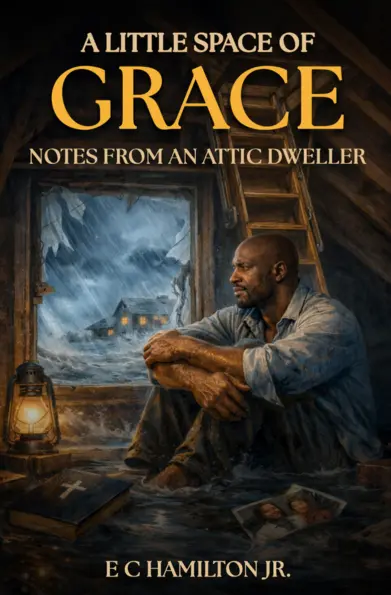
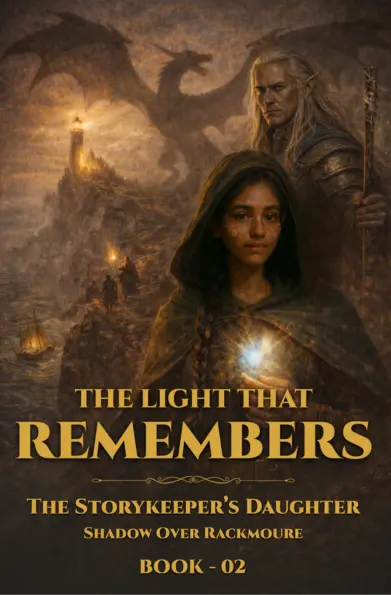
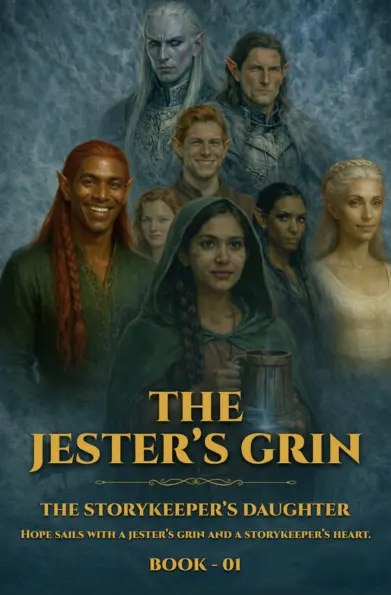
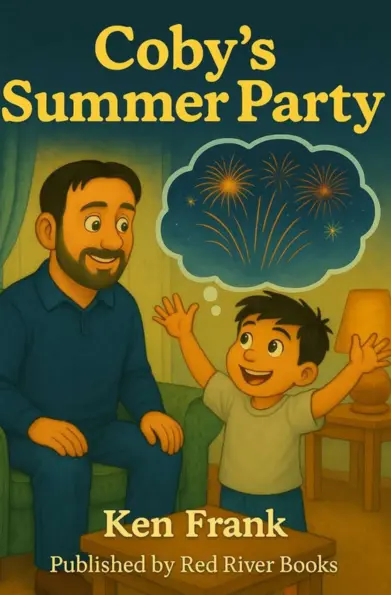
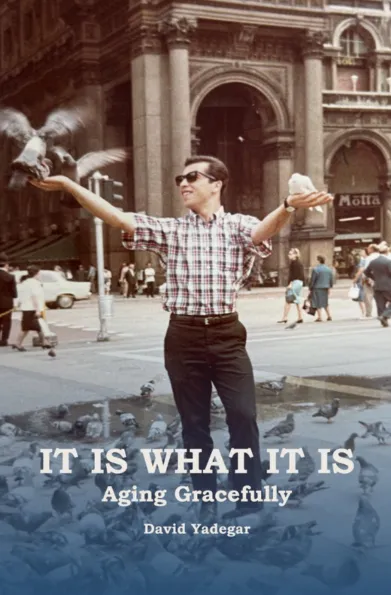
Explore selected books developed from personal memories, professional expertise, early concepts, interviews, research, and unfinished drafts. Each project should reveal the genre, original starting point, writing challenge, service delivered, and Montlake Publishers’ contribution to the completed manuscript.







Every manuscript needs a reason to exist and a reader it is meant to serve. We examine your idea, goals, existing material, audience, genre, and desired outcome to identify the strongest concept and direction before drafting begins.

Through interviews, recordings, notes, transcripts, presentations, research, and existing writing, we learn how you communicate and what the book needs to contain. Our book ghostwriting services organise that material without flattening your personality.

The approved concept becomes an outline, the outline becomes chapters, and the chapters become a connected reading experience. Arguments, scenes, examples, character development, pacing, and transitions are shaped around the genre and intended reader.

You review agreed milestones and provide feedback while the manuscript develops. Once the writing scope is complete, the draft is prepared for the separate editing, design, and publishing stages required by your project.
These answers address the real decisions authors make about ghostwriting, voice, costs, timelines, authorship, source materials, revisions, and choosing the right writer.
Professional book writing services may include concept development, audience definition, interviews, research, source organisation, outlining, chapter planning, ghostwriting, co-writing, manuscript drafting, and agreed author-review stages. The exact scope depends on whether you are starting with an idea, recordings, notes, research, a partial draft, or an existing manuscript that requires substantial new writing. Editing, formatting, publishing, and marketing should be listed separately so you understand exactly what the writing agreement covers.
Book ghostwriting services are collaborative rather than passive. You provide the ideas, expertise, memories, stories, source materials, and feedback, while the writer turns that material into a structured manuscript. The process commonly includes discovery conversations, voice capture, research, an approved outline, chapter drafting, and scheduled reviews. A strong ghostwriter does not replace your perspective. The writer helps make it clear, organized, engaging, and understandable to another person.
A professionally ghostwritten manuscript should reflect your vocabulary, tone, perspective, experiences, and natural way of explaining ideas. Writers can study your voice through interviews, recordings, emails, presentations, articles, existing chapters, and repeated feedback. Before the complete manuscript is drafted, you should understand how sample material will be reviewed and what happens when the tone does not yet feel accurate. Voice alignment develops through evidence and collaboration, not by simply asking the writer to “make it sound natural.”
A ghostwriter creates new manuscript content, while an editor improves content that already exists. A ghostwriter may interview the author, conduct research, establish the structure, and write complete chapters. An editor assesses an existing manuscript for structure, clarity, pacing, consistency, language, grammar, and publishing readiness. Some books need both services, but the responsibilities, deliverables, pricing, and review stages should remain separate so the author knows whether they are paying for original writing or manuscript improvement.
The cost to hire a book writer depends on the intended manuscript length, genre, research burden, source material, interview time, writer experience, complexity, timeline, and number of review stages. A memoir requiring extensive interviews may involve a different scope from a business book supported by organized presentations or a fictional novel requiring original plot and world development. Request a written proposal that explains deliverables, payment milestones, revision limits, excluded services, and circumstances that could create additional costs.
The timeline depends on the length and complexity of the book, the amount of research required, the author’s availability, the condition of existing materials, and the speed of feedback. A project with an approved concept and organized sources can usually progress more efficiently than one requiring extensive discovery. The project plan should identify outline approval, interview periods, chapter milestones, author-review windows, and final manuscript delivery. A responsible schedule should be confirmed only after the complete scope has been reviewed.
Yes. Professional writers can often develop a manuscript from notes, journals, interviews, voice recordings, transcripts, presentations, research files, emails, existing chapters, or a combination of materials. The initial review should determine which material can be used, what requires clarification, which claims need verification, and where new development is necessary. You do not need a polished first draft before requesting help, but the writer needs enough access, context, and author input to represent the subject accurately.
Yes, author involvement is essential when the manuscript is being created from your ideas, expertise, memories, or creative direction. The proposal should explain when you will approve the concept, outline, voice sample, chapter drafts, and major narrative decisions. It should also state how feedback will be delivered and how many review rounds are included. Collaboration protects accuracy and voice, but delayed decisions or major changes after approval may affect the schedule and project scope.
Ownership, authorship credit, confidentiality, source-material use, and final-file rights should be defined in a signed agreement before writing begins. The contract should explain whether copyright is transferred, whether the writer may mention the project, whether samples may be used, and what happens to completed and incomplete material if the project ends early. Authors should not rely on verbal assurances about ownership. The written agreement should clearly document the rights required for publication and future use.
When reviewing book writers for hire, evaluate relevant genre experience, writing samples, interview ability, research process, voice-capture method, communication style, availability, project milestones, confidentiality terms, and pricing structure. Ask who will actually write the manuscript and whether you can speak with that person before committing. A credible provider should explain the process, limitations, author responsibilities, and deliverables clearly rather than relying on bestseller promises or pressure-based sales language.


5900 Balcones Dr, Austin, TX 78731, USA