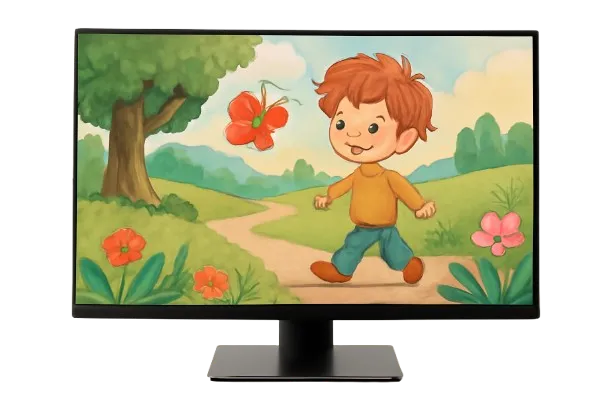
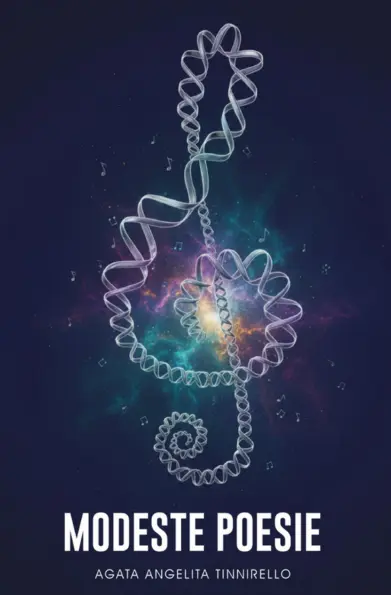
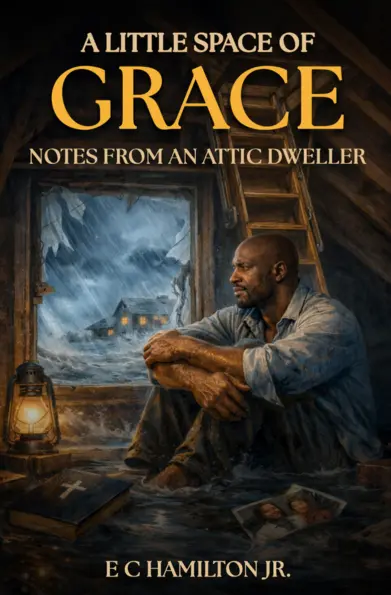
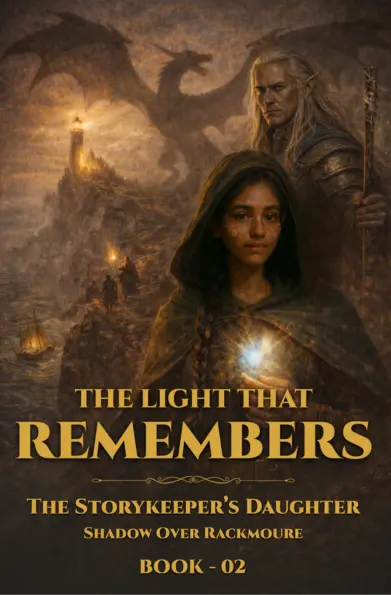
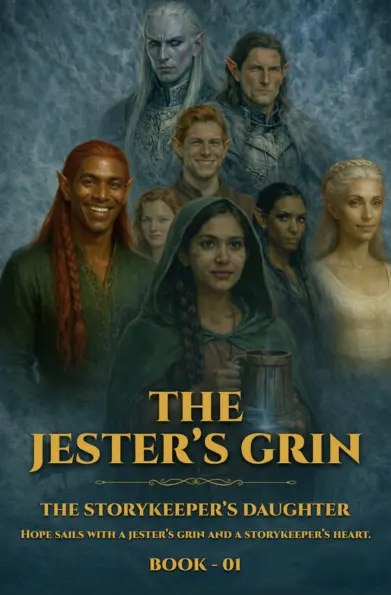
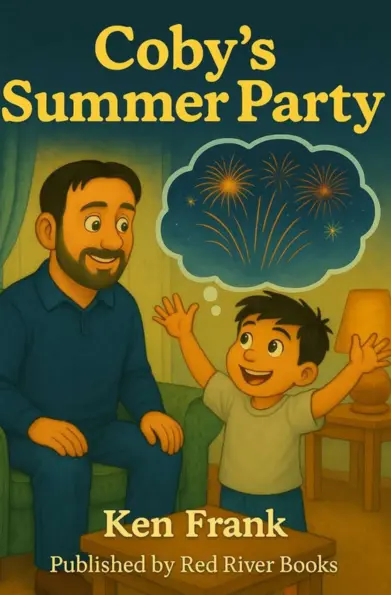
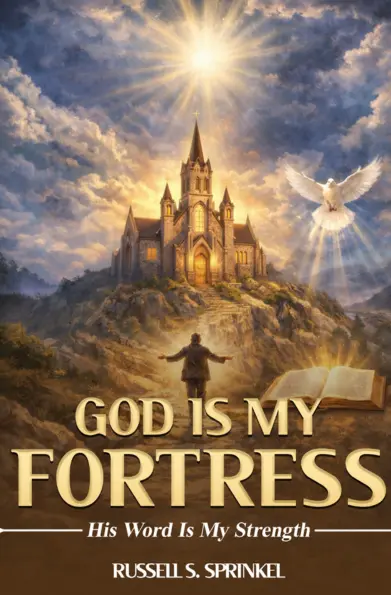
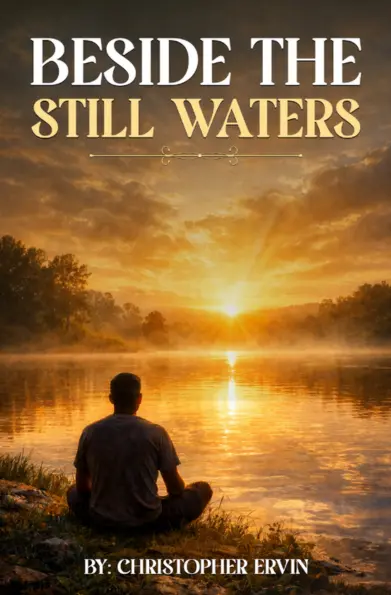
Effective artwork can reveal emotion, humor, movement, atmosphere, scale, and visual details the manuscript leaves for readers to discover. Our Professional book illustration services help translate written scenes into one coherent visual language shaped around the genre, reading age, emotional tone, page structure, and intended publication format.
The visual direction is shaped around the genre, age group, emotional tone, setting, subject, and reader experience rather than forcing every manuscript into the same artistic formula.
Character sheets, expressions, proportions, clothing, colors, and recurring details help the same figures remain visually consistent across different scenes, poses, and emotions.
Each illustration should account for trim size, text placement, page turns, focal points, bleed, gutter space, and how the artwork will function in print and digital editions.
Share your manuscript, intended reader, characters, and visual references. Our professional book illustration services help define a clear artistic direction before final artwork begins.
Browse artwork that uses character, expression, setting, colour, and composition to reveal moments the manuscript leaves for readers to discover.
We shape the art style around your manuscript, intended reader, emotional tone, characters, references, and publishing format before detailed illustration begins.
Character sheets establish expressions, proportions, clothing, colours, poses, and recurring details so every figure remains recognisable across scenes.
Thumbnails and storyboards organise scene selection, page turns, text space, composition, pacing, and focal points before detailed rendering begins.
Final illustrations are prepared according to the approved dimensions, resolution, bleed, colour settings, and file requirements for print and digital editions.
Choosing Professional book illustration services involves more than comparing attractive portfolio images. Authors should understand artistic fit, character consistency, illustration types, approval stages, pricing, timelines, production files, usage rights, and the exact services included before commissioning artwork.
Professional book illustration services may include manuscript review, visual direction, character design, storyboarding, thumbnail sketches, spot illustrations, full pages, double-page spreads, colour development, revisions, and production-ready files. The proposal should define the assigned illustrator, artwork count, dimensions, style, approval stages, revision limits, final formats, source-file policy, rights, credit, schedule, and excluded services. Illustration, interior layout, cover design, formatting, and publishing should be listed separately unless the written scope clearly combines them.
Choose a book illustrator for hire by reviewing work created for a similar audience, genre, tone, format, and level of detail. Strong children’s book illustrators should demonstrate consistent characters across different poses, expressions, settings, and scenes, not just one polished image. Ask who will create the artwork, whether you can approve character sheets and sketches, how feedback is managed, and which rights and files are included. Also confirm the illustrator’s availability, communication process, series experience, and documented policy on AI-assisted artwork.
The cost of children’s book illustration services depends on the number and type of images, character count, background complexity, colour, artistic style, revisions, rights, source files, and illustrator experience. Reedsy’s 2024 marketplace data places many single-page illustrations around $60 to $200 and double-page spreads around $100 to $400, while a complete picture-book project may range from approximately $2,000 to $10,000. These are industry references, not individual prices. Request an individual quote based on your manuscript, page plan, and required usage rights.
The timeline depends on manuscript readiness, illustration count, visual complexity, character development, backgrounds, illustrator availability, approval stages, revisions, and the author’s feedback speed. Character sheets, storyboards, and sketches should normally be approved before final rendering begins. A reliable schedule should identify when the author receives concepts, sketches, colour artwork, revisions, and production files. Rush work may reduce review time or increase cost, so publication dates should be planned around the complete creative and approval process rather than final rendering alone.
The correct number depends on the manuscript length, page count, reading age, pacing, text placement, and whether the project uses spots, full pages, or double-page spreads. Professional picture book illustration services should create a page plan before fixing the artwork count. Some moments may share one spread, while others need separate scenes or smaller supporting images. The illustrator or art director should identify which passages deserve visual emphasis, where page turns occur, and how the images add information, emotion, humour, or movement rather than merely repeating the text.
Yes. A structured illustration process should allow approval of the visual direction, character sheets, thumbnails, storyboards, or detailed sketches before final colour and rendering. This gives the author an opportunity to review expressions, proportions, settings, composition, text space, and storytelling while substantial changes are still practical. The contract should distinguish revisions made during the sketch stage from changes requested after final artwork has begun. It should also state how feedback must be submitted, how many revision rounds are included, and what changes may require additional fees.
Final delivery may include high-resolution TIFF, PNG, JPEG, or PDF files, depending on the book layout and publishing platform. The scope should identify dimensions, resolution, bleed, colour settings, naming conventions, layered source files, and print or digital versions. For KDP print books, images should be at least 300 DPI, and artwork reaching the page edge must extend 0.125 inches beyond the final trim on the top, bottom, and outside edges. Editable PSD, AI, or Procreate files should not be assumed unless they are specifically included.
The illustrator generally owns the copyright when original artwork is created unless ownership is transferred through a valid written agreement or the work legally qualifies as work made for hire. Paying an illustrator does not automatically transfer every right. The contract should address print and digital publishing, advertising, websites, social media, translations, adaptations, merchandise, portfolio display, territories, duration, exclusivity, source files, and illustrator credit. The U.S. Copyright Office specifically notes that merely hiring and paying an artist does not, by itself, make commissioned art a work made for hire.
Not automatically. Illustration creates the artwork, while interior layout positions text and images within the final pages. Cover design additionally handles title typography, subtitle, author name, spine, back cover, barcode area, and print measurements. A book illustration company or book illustration service company may provide all these services, but the proposal should list them separately. Confirm whether the quote includes text placement, page planning, cover illustration, complete cover design, print-ready layout, ebook conversion, or only the individual artwork files.
Yes, provided the project preserves clear visual references and the agreement permits future use. Character sheets, expression guides, proportions, clothing, colour palettes, environments, scale references, textures, and organized source files help maintain continuity across later titles. Confirm whether the original illustrator is available for future books, whether new artwork requires a separate contract, and whether the author has sufficient rights to reuse characters in sequels, marketing, translations, or merchandise. Series consistency should be planned during the first project rather than reconstructed after publication.